

How to Find Out the Best Time to Publish a Video on YouTube

 When it comes to YouTube success, several factors are crucial: high-quality content, captivating titles, attractive thumbnails, and, of course, engaging videos. Yet, there’s one essential detail that creators often overlook: timing. Though it might seem minor, posting your videos at the right moment can dramatically impact their reach and audience engagement.
The timing of your YouTube uploads influences how quickly your content gains traction, how widely it spreads, and how actively your audience interacts. Below, we dive into why posting time matters and how you can identify the ideal schedule to maximize your video’s performance.
Boost your YouTube engagement with real and fast views👉Get instant views
Understanding YouTube’s Algorithm and Viewer Behavior
YouTube’s algorithm strongly favors content that gains immediate attention. Specifically, engagement within the first 24 to 48 hours after publishing significantly affects how YouTube promotes your video. Unlike platforms such as Facebook or Instagram, YouTube’s recommendation engine heavily relies on your video’s initial momentum. Videos gaining early traction are more likely to be suggested to new viewers, dramatically increasing their potential to go viral.
Additionally, viewer habits significantly impact your success. Audiences typically engage more actively at specific times, such as during lunch breaks or in the evenings after work. Understanding these patterns allows you to time your uploads strategically, increasing the likelihood your content will quickly resonate with viewers.
For further insights into leveraging YouTube’s algorithm, explore this guide: YouTube Algorithm Hack.
Recommended Posting Times for Maximum Engagement
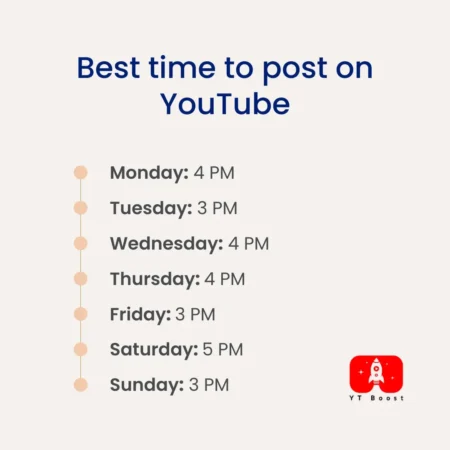 While each audience has unique habits, research offers general guidelines about optimal posting times:
- Wednesday at 4 p.m. consistently shows the highest median views.
- Afternoon hours (3 p.m. to 4 p.m.) perform exceptionally well on weekdays.
- Weekend evenings (around 5 p.m.) generally see increased viewer activity.
These recommendations provide a solid starting point, but always remember that your unique audience’s habits may differ. It’s crucial to analyze your channel’s data to pinpoint the best times.
Analyze Your Target Audience
Identifying the perfect posting time begins with knowing your audience. Factors like age group, geographic location, and daily routines significantly influence when your viewers are active.
For example:
- Teenagers often engage more after school hours.
- Professional adults typically watch during lunch breaks or evenings.
Understanding these demographics allows you to align your uploads with your viewers’ daily schedules effectively.
Leverage YouTube Analytics
One of your most valuable resources for determining posting times is YouTube Analytics. Located in YouTube Studio, the Audience tab offers the insightful graph, “When Your Viewers Are on YouTube,” clearly highlighting optimal engagement periods.
Regularly reviewing these analytics helps fine-tune your schedule based on actual audience behavior, improving your video’s immediate impact.
Experiment with A/B Testing
If you’re unsure when to post, employ A/B testing by uploading videos at varying times. Track critical metrics such as:
- Views
- Watch time
- Audience engagement (likes, comments, shares)
Analyzing these metrics will clarify which posting times generate the highest audience interaction and help refine your overall strategy.
Consider Your Content Type and Frequency
Consistency is crucial when building your audience. Regular uploads at optimal times create anticipation and keep viewers returning.
However, balance is vital:
- Too infrequent uploads may lead your audience to forget your channel.
- Too frequent uploads risk overwhelming viewers, causing engagement to decline.
Determine a posting frequency aligned with audience preferences and your content creation capability, fostering steady growth without oversaturation.
External Tools and Resources
Besides YouTube Analytics, external tools such as Hootsuite, Buffer, and Sprout Social provide valuable insights based on broader social media engagement trends. These platforms help identify optimal posting windows using aggregated data from various channels.
Also, consider expert studies and industry reports that offer insights into effective posting strategies for YouTube creators. These resources can complement your analytics, especially during the experimentation phase.
 Quick Checklist to Determine the Ideal Posting Time:
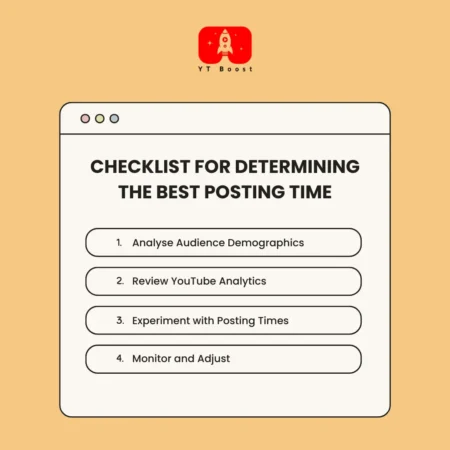 Quick Checklist to Determine the Ideal Posting Time:
Follow these steps to find your perfect YouTube posting schedule:
- Analyze Audience Demographics: Determine your audience’s age, location, and active viewing periods.
- Review YouTube Analytics: Identify when your viewers are most active online.
- Experiment: Test different posting times and record performance metrics.
- Monitor and Adjust: Regularly refine your schedule based on ongoing data analysis.
Conclusion
While numerous factors contribute to your YouTube success, effective timing is one of the most influential yet frequently overlooked elements. By closely analyzing your audience’s online habits, using YouTube Analytics, and consistently experimenting, you can significantly enhance your videos’ reach and engagement.
Remember, the “perfect time” is unique to each creator. Stay flexible, keep analyzing your data, and continuously refine your strategy to ensure your YouTube content reaches its maximum potential.